





|
Encicarb 1K Injection 20 ml
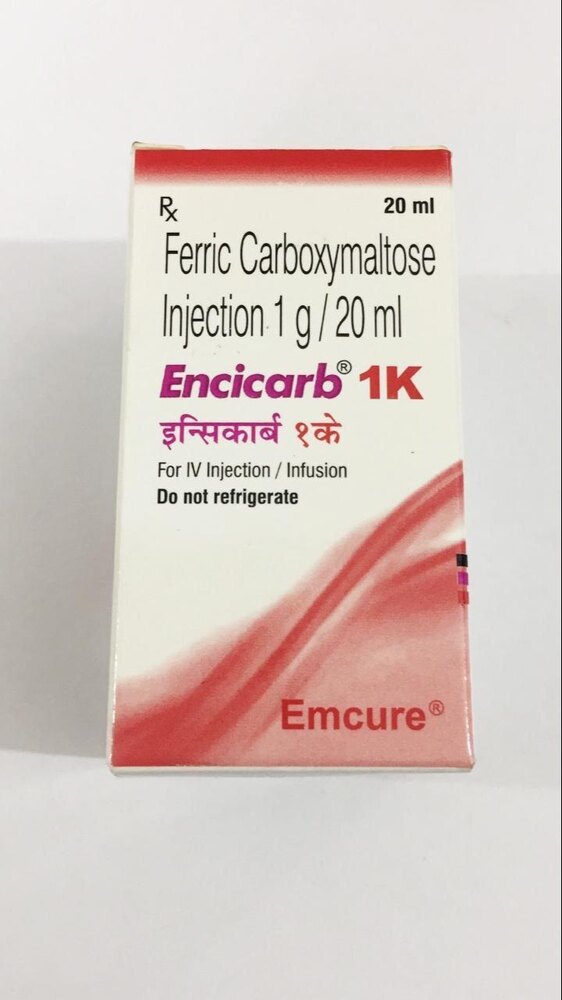

Encicarb 1K Injection 20 ml Specification
- Shelf Life
- 24 Months from Manufacturing Date
- Accuracy
- Pharmaceutical Grade
- Instruments Type
- Pharmaceutical Injection
- Usage Type
- Single Use
- Frequency
- As Per Physicians Prescription
- Storage Instructions
- Store below 25C, Protect from Light
- Features
- Stable, Ready to Use, Sterile, Non-Pyrogenic
- Measurement Range
- 20 ml/1000 mg Iron as Carboxymaltose
- Function
- Rapid Iron Replenishment
- Equipment Type
- Injection
- Material
- Sterile Solution
- Condition
- New
- Technology
- Parenteral Iron Therapy
- Portable
- Yes
- Wall Mounted
- No
- Real-Time Operation
- No
- Operating Type
- Parenteral Administration
- Use
- Treatment of Iron Deficiency Anaemia
- Dimension (L*W*H)
- Standard 20 ml Vial
- Weight
- Approx. 45 g (with packaging)
- Color
- Dark Brown Solution
- Regulatory Approvals
- WHO-GMP Certified
- Prescription Required
- Yes
- Therapeutic Class
- Haematological Agents
- Intended Patient Group
- Adults and Adolescents above 14 years
- Strength
- 1000 mg/20 ml
- Route of Administration
- Intravenous (IV) Use Only
- Contraindications
- Known Hypersensitivity to Ferric Carboxymaltose
- Osmolality
- 290 - 410 mOsm/kg
- pH Range
- 5.0 - 7.0
- Compatibility
- Do not Mix with Other Medications
- Disposal
- Dispose as per Biomedical Waste Guidelines
- Precaution
- Monitor for Allergic Reactions and Hypotension
- Generic Name
- Ferric Carboxymaltose
- Brand Name
- Encicarb 1K
- Packaging Type
- Glass Vial
Encicarb 1K Injection 20 ml Trade Information
- Minimum Order Quantity
- 100 Packs
- FOB Port
- AHMEDABAD
- Payment Terms
- Paypal, Cash Advance (CA), Cash in Advance (CID), Letter of Credit at Sight (Sight L/C), Letter of Credit (L/C)
- Delivery Time
- 3 Days
- Sample Policy
- Sample costs shipping and taxes has to be paid by the buyer
- Packaging Details
- Box
- Main Export Market(s)
- Asia, Australia, Central America, North America, South America, Eastern Europe, Western Europe, Middle East, Africa
- Main Domestic Market
- All India
About Encicarb 1K Injection 20 ml
Encicarb 1K Injection (20 ml) contains Carboplatin, which is a chemotherapy drug used to treat various types of cancer, including ovarian cancer, lung cancer, head and neck cancers, and testicular cancer. Carboplatin is part of the platinum-based chemotherapy drugs, similar to cisplatin, but with a different side effect profile.
Indications
Encicarb (Carboplatin) is used to treat:
- Ovarian Cancer: Often used in combination with other chemotherapy drugs to treat ovarian cancer.
- Non-Small Cell Lung Cancer (NSCLC): Used as part of a chemotherapy regimen for patients with lung cancer.
- Head and Neck Cancers: Often used to treat cancers of the head and neck in combination with other chemotherapy or radiation treatments.
- Testicular Cancer: Carboplatin may be used in treating testicular cancer, especially when the cancer has spread or relapsed.
Mechanism of Action
Carboplatin works by damaging the DNA in cancer cells. It is classified as a platinum-based chemotherapy drug, similar to cisplatin. Carboplatin forms cross-links between DNA strands, preventing the cancer cell from replicating and dividing. This results in the death of rapidly dividing cancer cells. Because cancer cells tend to divide faster than normal cells, the drug is particularly effective against tumors that grow quickly.
Dosage and Administration
-
Typical Dosage:
- For Ovarian Cancer: The dose is often calculated based on the patient's body surface area (BSA) and kidney function. Common regimens include 360-450 mg/m2 given intravenously (IV) once every 3 to 4 weeks.
- For Non-Small Cell Lung Cancer (NSCLC) and other cancers, dosages are also individualized, typically ranging between 300-600 mg/m2 every 3-4 weeks.
-
Renal Impairment: Dosage adjustments are required for patients with impaired kidney function as Carboplatin is primarily eliminated through the kidneys. Patients with kidney dysfunction may need a reduced dose to minimize side effects.
-
Administration: Carboplatin is given as an intravenous (IV) infusion, typically over a period of 15-60 minutes. It is administered by a healthcare professional in a clinical setting, usually during a hospital visit or chemotherapy cycle.
Side Effects
Common side effects of Carboplatin (Encicarb) include:
- Nausea and vomiting: Common side effects that can be managed with anti-nausea medications.
- Bone marrow suppression: This can lead to low blood cell counts, which may cause anemia, infections, or bleeding. Regular blood tests are important to monitor these effects.
- Fatigue: Due to the effect of chemotherapy on the body's energy levels.
- Hair loss: Can occur, but may be temporary after treatment ends.
- Loss of appetite: Many patients may experience decreased appetite during treatment.
- Mouth sores: Irritation in the mouth or throat, leading to difficulty swallowing.
Serious side effects may include:
- Severe allergic reactions: Though rare, Carboplatin can cause allergic reactions such as difficulty breathing, rash, or swelling of the face and throat. Medical attention is needed immediately if this occurs.
- Kidney damage: While Carboplatin is less toxic to the kidneys compared to cisplatin, it can still cause kidney problems, particularly in patients with pre-existing kidney issues. Kidney function should be monitored closely.
- Hearing loss: High doses of Carboplatin can cause hearing loss, especially in patients who have received prior platinum-based chemotherapy.
Precautions and Warnings
- Kidney Function: Carboplatin is eliminated through the kidneys, and patients with kidney dysfunction may require lower doses to prevent kidney damage. Kidney function tests (such as serum creatinine) should be monitored before and during treatment.
- Bone Marrow Suppression: Because Carboplatin affects the bone marrow, blood counts (red blood cells, white blood cells, and platelets) should be checked regularly. Neutropenia (low white blood cell count) can increase the risk of infections.
- Allergic Reactions: As with any chemotherapy drug, allergic reactions to Carboplatin are possible. Medical staff will observe for reactions during and after the infusion.
- Pregnancy: Carboplatin can cause harm to the fetus. It is categorized as a Category D drug, meaning it may cause birth defects or fetal harm. It should only be used during pregnancy if the potential benefit outweighs the risks. Effective contraception is required during treatment.
- Breastfeeding: It is not recommended to breastfeed during chemotherapy treatment with Carboplatin, as the drug may pass into breast milk and harm the infant.
Important Considerations
- Hydration: Adequate hydration before treatment may be necessary to reduce the risk of kidney toxicity.
- Allergic Reactions: Patients should be monitored for signs of allergic reactions during the infusion. Premedication with antihistamines or corticosteroids may be given in some cases to prevent allergic reactions.
- Infection Risk: Due to its effect on white blood cells, Carboplatin increases the risk of infections. Patients should promptly report any signs of infection (fever, chills, sore throat, etc.).
- Regular Monitoring: Regular blood tests, kidney function tests, and hearing tests are recommended throughout the course of treatment to monitor for side effects.
Conclusion
Encicarb 1K Injection (20 ml) is a chemotherapy drug used to treat various types of cancer, including ovarian cancer, lung cancer, and head and neck cancers. It works by preventing the replication of cancer cells, which helps to reduce the size of tumors and limit the spread of cancer. While effective, Carboplatin can cause a range of side effects, including bone marrow suppression, nausea, and kidney damage, which need to be monitored closely during treatment.
What is Encicarb 1K Injection Used For?
Encicarb 1K Injection is primarily indicated for the treatment of iron deficiency anaemia in adults and adolescents above 14 years. Its advanced ferric carboxymaltose formulation enables a rapid and efficient replenishment of iron stores. The product is ideal for patients who cannot tolerate oral iron supplements or require rapid iron restoration due to underlying medical conditions.
How to Administer Encicarb 1K Injection
This injection must be administered intravenously by healthcare professionals only and as per the physician's prescription. The single-use glass vial contains a sterile, pharmaceutical-grade solution to ensure safe and effective treatment. The dosage and frequency are determined by the prescribing doctor, based on individual patient needs and lab parameters.
Precautions and Compatibility
Monitor patients for any allergic reactions and hypotension during and after administration of Encicarb 1K. The injection should not be combined or mixed with any other medications, and it is contraindicated in individuals with known hypersensitivity to ferric carboxymaltose. Dispose of the vial following biomedical waste guidelines to ensure environmental safety.
FAQ's of Encicarb 1K Injection 20 ml:
Q: How should Encicarb 1K Injection be administered?
A: Encicarb 1K Injection should only be administered intravenously by a healthcare professional in a clinical setting. The dosage and administration schedule must follow your physician's prescription and individual treatment requirements.Q: What are the main benefits of using Encicarb 1K Injection?
A: The primary benefit is the rapid and effective replenishment of iron stores in individuals with iron deficiency anaemia, particularly for those unable to tolerate oral iron or requiring prompt correction. Its high stability, sterile formulation, and WHO-GMP certification ensure reliable treatment outcomes.Q: Who can receive Encicarb 1K Injection?
A: Encicarb 1K is intended for adults and adolescents above 14 years diagnosed with iron deficiency anaemia, as advised by their healthcare provider. It is not suitable for children under 14 or individuals with hypersensitivity to ferric carboxymaltose.Q: Are there any precautions during administration?
A: Patients should be monitored for allergic reactions and hypotension during and after the injection. The product must not be mixed with other drugs and should only be given as directed by a physician.Q: How should Encicarb 1K Injection be stored and disposed of?
A: Store Encicarb 1K below 25C and protect it from light. After use, dispose of the vial according to local biomedical waste management guidelines to prevent contamination and ensure safety.Q: Can Encicarb 1K Injection be self-administered at home?
A: No, this injection should never be self-administered. It must be given by qualified healthcare staff in a controlled clinical environment to ensure safety and effective management of potential side effects.
Price:
- 50
- 100
- 200
- 250
- 500
- 1000+

More Products in Skin Care Products Category
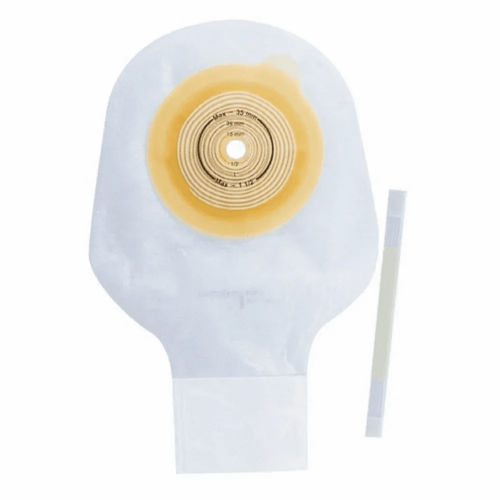
Coloplast Alterna pediatric 1-piece transparent bag 17467
Price 250 INR / Piece
Minimum Order Quantity : 100 Pieces
Condition : New
Use : Postsurgical/colostomy/ileostomy care in infants and children
Operating Type : Other, Manual application
Storage Instructions : Store in a cool, dry place away from direct sunlight
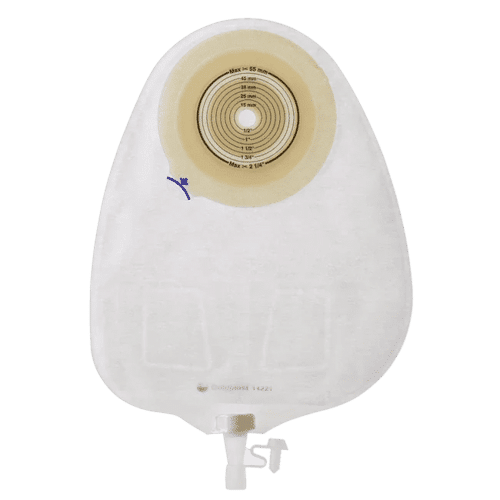
Coloplast Alterna Free Convex Light 1-Piece uro bag 17527
Price 225 INR / Piece
Minimum Order Quantity : 100 Pieces
Condition : New
Use : Urostomy Care, Urine Collection
Operating Type : Other, Manual, Disposable
Storage Instructions : Store in a cool, dry place away from direct sunlight
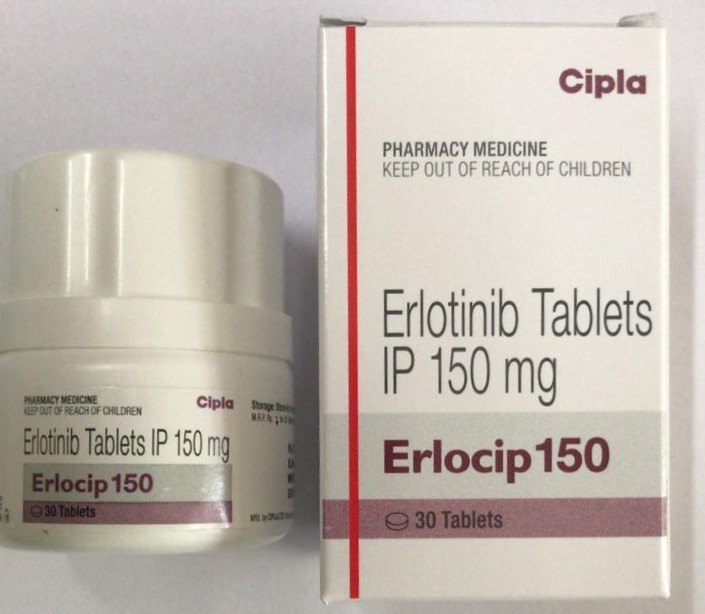
Erlocip 150 Mg Tablets
Price 1500 INR / Pack
Minimum Order Quantity : 100 Packs
Condition : Other, New, Sealed Pack
Use : Treatment of NonSmall Cell Lung Cancer and Pancreatic Cancer
Operating Type : Other, Manual Intake
Storage Instructions : Store in a cool, dry place below 30C, keep out of reach of children

Levocetirizine Liquid 2.5mg/5ml
Price 110 INR / Pack
Minimum Order Quantity : 100 Packs
Condition : New
Use : Antihistamine; Relief from allergy symptoms
Operating Type : Other, Oral Administration
Storage Instructions : Store below 30C, protect from light



Contact Details
GST : 24AAMFT3098D1Z1
 Send Inquiry
 |
TABNCAP HEALTHCARE
All Rights Reserved.(Terms of Use) Developed and Managed by Infocom Network Private Limited. |
