



|
Azithromycin Tablets USP 250mg
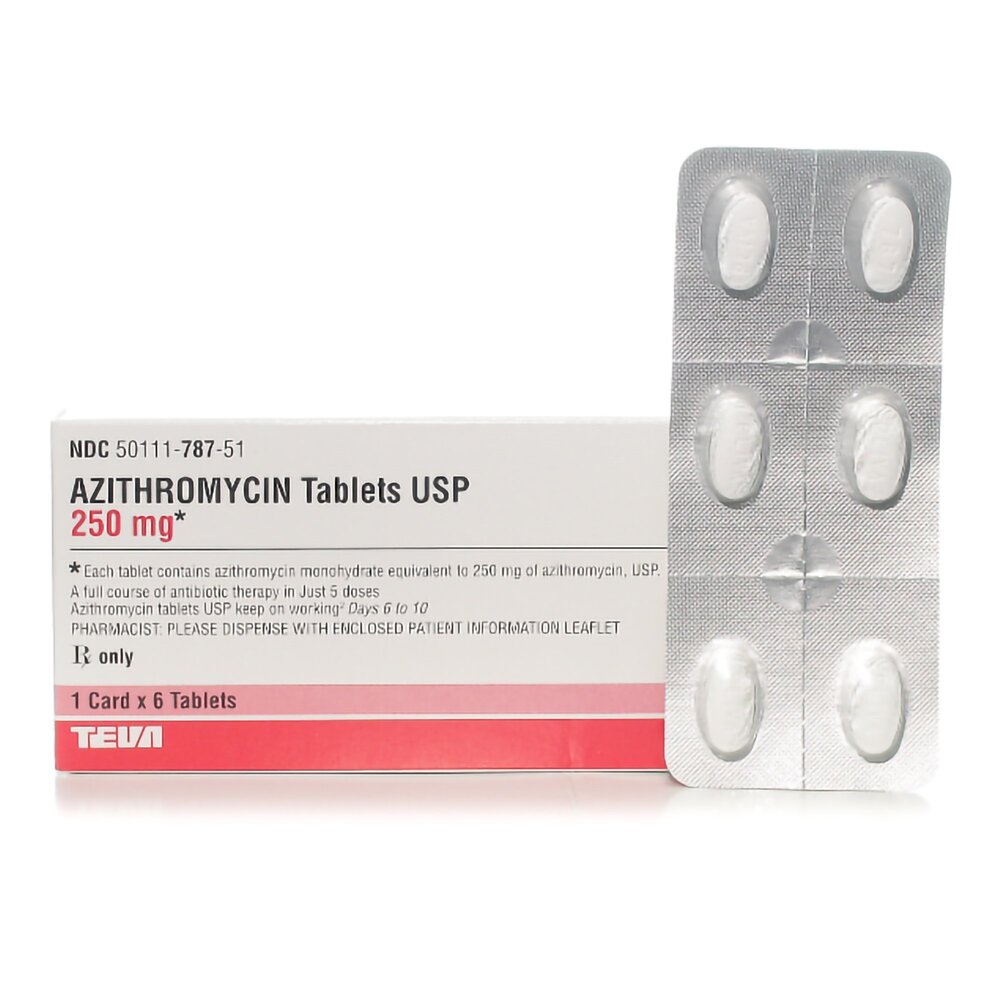

Azithromycin Tablets USP 250mg Specification
- Shelf Life
- 24 Months
- Features
- Broad spectrum antibacterial activity
- Usage Type
- Medical, Clinical, Hospital
- Function
- Inhibits bacterial protein synthesis
- Instruments Type
- Oral Solid Dosage Form
- Storage Instructions
- Store in a cool, dry place below 25C
- Equipment Type
- Pharmaceutical Tablet
- Material
- Azithromycin Dihydrate
- Condition
- New
- Technology
- Pharmaceutical Formulation
- Portable
- Yes
- Wall Mounted
- No
- Operating Type
- Oral Administration
- Use
- Antibacterial / Antibiotic
- Color
- White
- Pack Size
- 10 x 6 Tablets
- Dosage Form
- Tablet
- Compositional Information
- Each film coated tablet contains: Azithromycin Dihydrate USP equivalent to Azithromycin 250 mg
- Strength
- 250 mg
- Prescription/Non Prescription
- Prescription
- ATC Code
- J01FA10
- Packaging Type
- Blister Pack
- Brand Name
- Azithromycin Tablets USP 250mg
Azithromycin Tablets USP 250mg Trade Information
- Minimum Order Quantity
- 100 Packs
- FOB Port
- AHMEDABAD
- Payment Terms
- Paypal, Cash Advance (CA), Cash in Advance (CID), Letter of Credit at Sight (Sight L/C), Letter of Credit (L/C)
- Delivery Time
- 3 Days
- Sample Policy
- Sample costs shipping and taxes has to be paid by the buyer
- Packaging Details
- Box
- Main Export Market(s)
- Asia, Australia, Central America, North America, South America, Eastern Europe, Western Europe, Middle East, Africa
- Main Domestic Market
- All India
About Azithromycin Tablets USP 250mg
Azithromycin Tablets USP 250mg is an antibiotic used to treat various bacterial infections. It belongs to the macrolide antibiotic class and is commonly used to treat respiratory, skin, ear, and sexually transmitted infections, among others.
Active Ingredient:
- Azithromycin: It works by inhibiting bacterial protein synthesis, thereby stopping bacteria from growing and reproducing.
Common Uses:
Azithromycin is commonly prescribed for:
- Respiratory infections: Such as pneumonia, bronchitis, sinusitis, and pharyngitis (sore throat).
- Ear infections: Specifically otitis media (middle ear infection).
- Skin infections: Such as cellulitis and impetigo.
- Sexually transmitted infections (STIs): Including chlamydia, gonorrhea, and urethritis.
- Eye infections: Conjunctivitis (pink eye).
- Helicobacter pylori eradication: Used in combination with other drugs to treat peptic ulcers caused by H. pylori bacteria.
- Mycobacterium avium complex (MAC): Used in HIV/AIDS patients for prevention and treatment of MAC infection.
Dosage and Administration:
- Concentration: Each tablet contains 250mg of azithromycin.
- Typical adult dosage:
- Respiratory and ear infections: A typical regimen includes 500mg on the first day, followed by 250mg once daily for the next 4 days (5-day total treatment).
- Chlamydia: Often treated with a single 1g dose.
- Skin and soft tissue infections: Typically 500mg once daily for 3 to 5 days.
- Helicobacter pylori: In combination with other medications as part of a treatment regimen.
- How to take: Azithromycin should be taken with or without food. Take it with a full glass of water and do not chew or crush the tablets.
Side Effects:
- Common side effects:
- Nausea, vomiting, diarrhea, or stomach discomfort.
- Headache, dizziness, or fatigue.
- Skin rash or itching.
- Serious side effects (rare but serious):
- Severe allergic reactions: Swelling of the lips, face, tongue, or throat, difficulty breathing.
- Heart issues: Azithromycin can cause QT prolongation (a type of abnormal heart rhythm), leading to arrhythmias.
- Liver damage: Symptoms include yellowing of the skin/eyes (jaundice), dark urine, or abdominal pain.
- Severe diarrhea: Could indicate a C. difficile infection, which can be life-threatening.
- Hearing loss: Rare, but prolonged use or high doses may cause hearing problems.
Precautions and Warnings:
- Allergic reactions: Avoid if allergic to azithromycin or other macrolides (e.g., erythromycin).
- Liver or kidney disease: Dose adjustments may be needed for those with liver or kidney problems.
- Heart issues: Azithromycin may affect the hearts electrical activity, increasing the risk of arrhythmias in people with heart disease or electrolyte imbalances.
- Pregnancy and breastfeeding: Azithromycin is generally considered safe during pregnancy (Category B). It does pass into breast milk, but its typically considered safe for breastfeeding.
- Drug interactions: Azithromycin can interact with other medications like antacids, blood thinners, and heart rhythm medications. Always inform your healthcare provider about all medications you are taking.
When to consult a doctor:
- Severe allergic reactions, such as difficulty breathing or swelling of the face, tongue, or throat.
- Liver issues, such as yellowing of the skin/eyes or severe abdominal pain.
- Heart issues, such as palpitations, dizziness, or fainting.
- Severe or persistent diarrhea, which may indicate Clostridium difficile infection.
- If symptoms dont improve or worsen during treatment.
Conclusion:
Azithromycin Tablets 250mg is a widely used antibiotic for treating various bacterial infections. It is important to take the full course of the medication as prescribed to avoid the development of antibiotic-resistant bacteria. If you experience any unusual or severe side effects, contact your healthcare provider immediately.
Broad Spectrum Antibacterial Protection
Azithromycin Tablets 250mg offer a comprehensive antibacterial effect, efficiently targeting a variety of bacterial pathogens. This makes them suitable for treating numerous infections in medical, clinical, and hospital environments. The formulation utilizes Azithromycin Dihydrate, developed through advanced pharmaceutical technology to ensure effective and reliable dosing.
Reliable Oral Administration with Convenient Packaging
Designed for oral use, each tablet is encased in easy-to-dispense blister packs, which maintain product integrity and ensure hygiene during use. With a shelf life of 24 months and simple storage requirements, these tablets uphold effectiveness and safety, making them a dependable choice for healthcare professionals and patients alike.
FAQ's of Azithromycin Tablets USP 250mg:
Q: How should Azithromycin Tablets USP 250mg be taken?
A: Azithromycin Tablets USP 250mg should be taken orally exactly as prescribed by your healthcare provider. Swallow the tablet whole with water, and do not crush or break it. Follow your doctor's instructions regarding dosing frequency and duration.Q: What infections can Azithromycin Tablets USP 250mg treat?
A: These tablets are effective against a broad spectrum of bacterial infections, including respiratory tract infections, skin infections, ear infections, and some sexually transmitted diseases. Always consult your physician for the specific indication that applies to you.Q: When is the best time to take Azithromycin Tablets USP 250mg?
A: It is usually recommended to take Azithromycin at the same time each day to maintain consistent blood levels. Follow your doctor's advice regarding timing with or without food, as this may be tailored to reduce side effects.Q: Where should I store Azithromycin Tablets USP 250mg?
A: Store the tablets in a cool, dry place below 25C, away from moisture and direct sunlight. Keep them out of reach of children and avoid placing them in the bathroom or near sources of heat.Q: What is the process of Azithromycin in fighting bacteria?
A: Azithromycin works by inhibiting bacterial protein synthesis. This action prevents bacteria from growing and multiplying, ultimately leading to the elimination of the infection.Q: What are the benefits of using Azithromycin Tablets USP 250mg?
A: Azithromycin provides broad spectrum antibacterial coverage, convenient once-daily dosing, and is generally well tolerated. Its formulation as a portable tablet makes it practical for a range of settings, including clinics, hospitals, and home use.Q: How long is the shelf life of Azithromycin Tablets USP 250mg?
A: The tablets have a shelf life of 24 months when stored properly below 25C and in a dry environment. Always check the expiration date on the packaging before use.
Price:
- 50
- 100
- 200
- 250
- 500
- 1000+

More Products in Skin Care Products Category
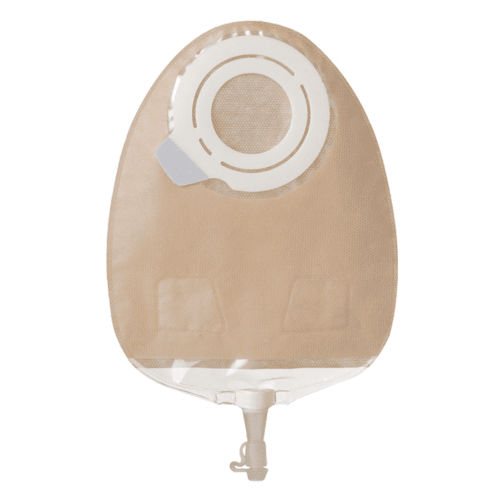
Coloplast Alterna Free 2 - Piece Urostomy bag 14214
Price 235 INR / Piece
Minimum Order Quantity : 100 Pieces
Storage Instructions : Store in a cool, dry place
Wall Mounted : No
Equipment Type : Urostomy Bag
Operating Type : Other, Manual application
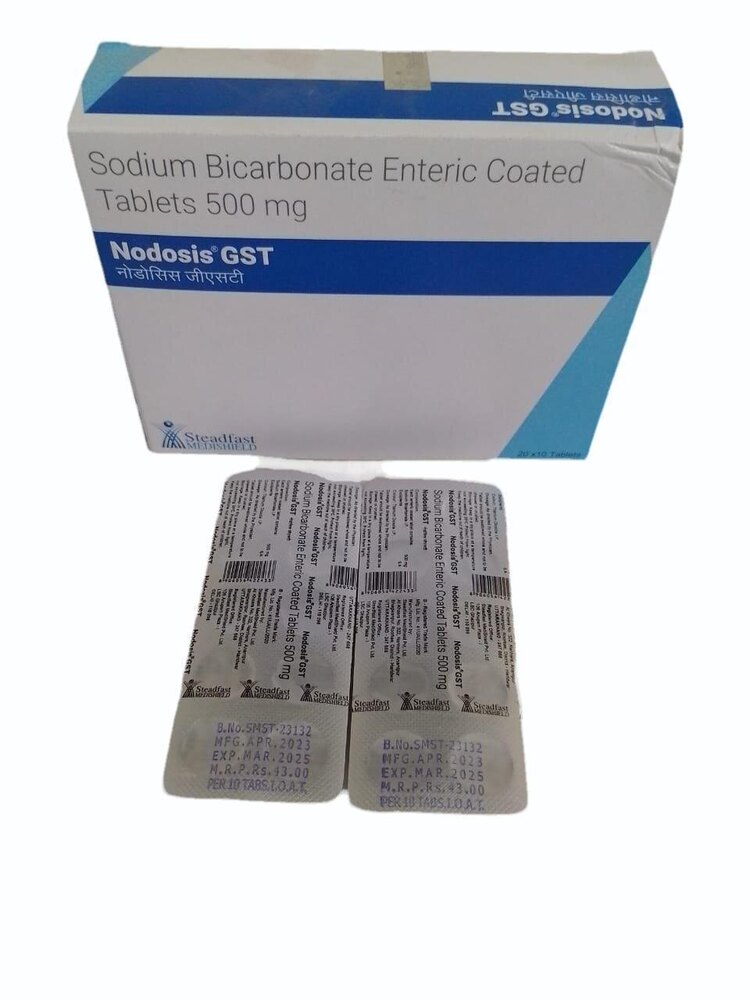
Nodosis Gst 500 Mg
Price 50 INR / Pack
Minimum Order Quantity : 100 Packs
Storage Instructions : Store in a cool, dry place, away from sunlight
Wall Mounted : No
Equipment Type : Pharmaceutical Tablet
Operating Type : Other, Oral
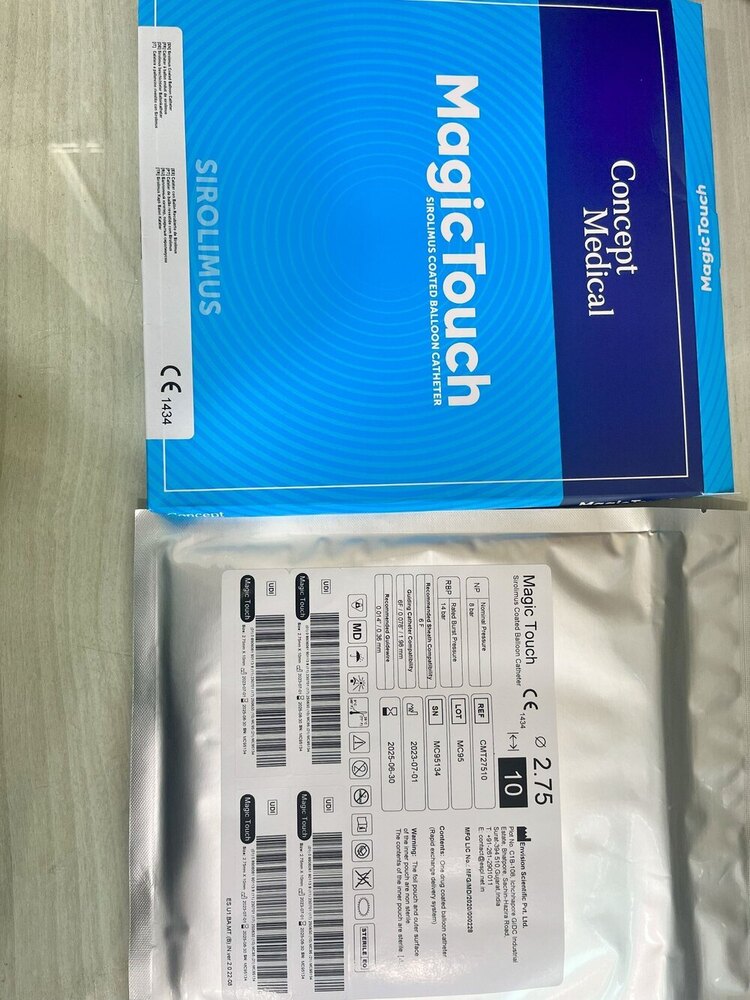
Magic Touch Sirolimus Coated Balloon Catheter
Price 6400 INR / Pack
Minimum Order Quantity : 100 Packs
Storage Instructions : Store below 25C, protect from light and moisture
Wall Mounted : No
Equipment Type : Sirolimus Coated Balloon Catheter
Operating Type : Other, Manual/Interventional
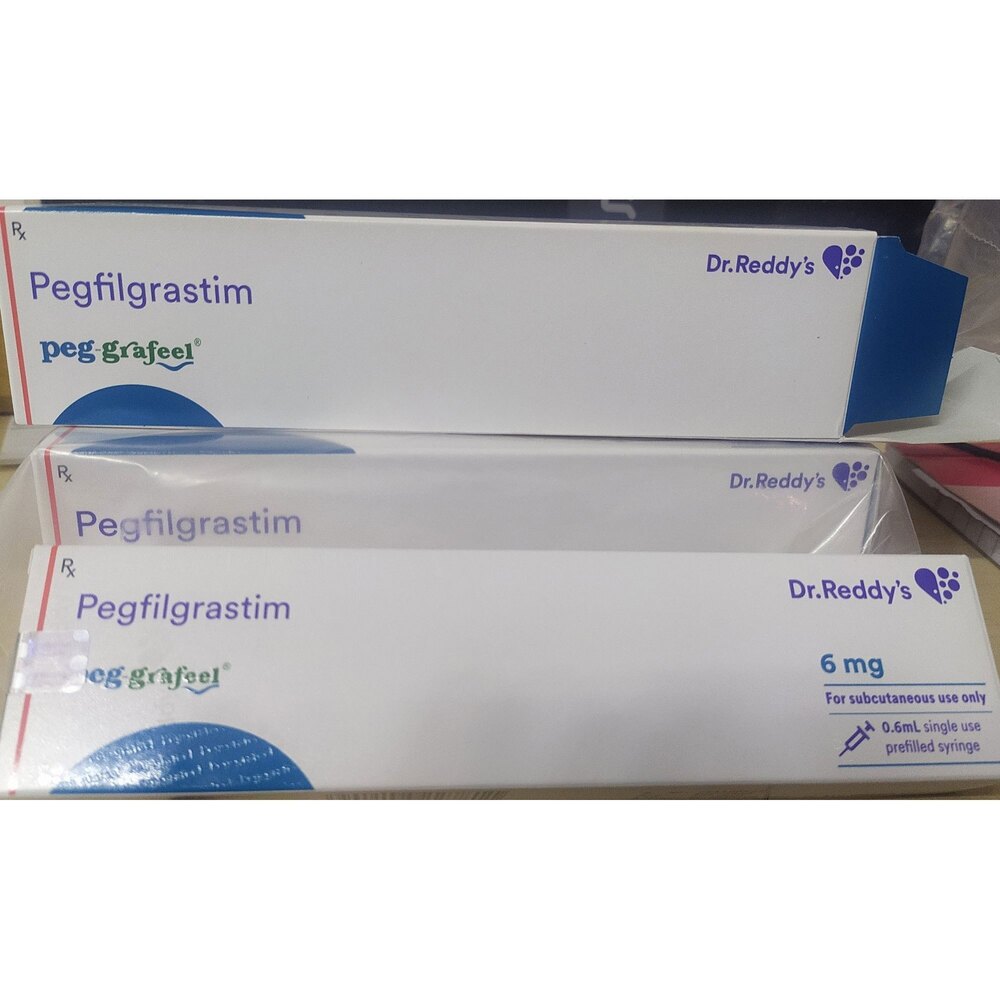
Peg Grafeel 6 Mg Injection
Price 1850 INR / Pack
Minimum Order Quantity : 100 Packs
Storage Instructions : Store at 2C to 8C (refrigerated). Do not freeze.
Wall Mounted : No
Equipment Type : Pharmaceutical Injection
Operating Type : Other, Parenteral (Injection via subcutaneous route)



Contact Details
GST : 24AAMFT3098D1Z1
 Send Inquiry
 |
TABNCAP HEALTHCARE
All Rights Reserved.(Terms of Use) Developed and Managed by Infocom Network Private Limited. |
